Above is a score from the 2012 horror The Woman In Black. As it is used in the opening of the movie, it is responsible for setting the tone for the rest of the film. Throughout the piece, it gradually builds into a crescendo of noise; immediately, we are being led to feel uneasy, as if a scare is coming. By having a faint echo echo between 0:36 and 0:44, the composer suggests emptiness and isolation, leading to a feeling of discomfort. It also conveys many of the themes of the movie itself. For instance, the inclusion of a music box is a reference to the series of child murders that the Woman in Black is responsible for throughout the narrative.
From this, we can conclude that music has many purposes in a film. It can be indicative of a whole genre, immediately guiding the audience into exactly what they should expect to see in the movie they are watching.

At points, the music even replicates diegetic sounds through the use of non-diegetic ones, such as the screeching of strings replicating screams - it is very uncomfortable to listen to, both audibly and due to the connotations of fear that screams have, and this leaves the audience on
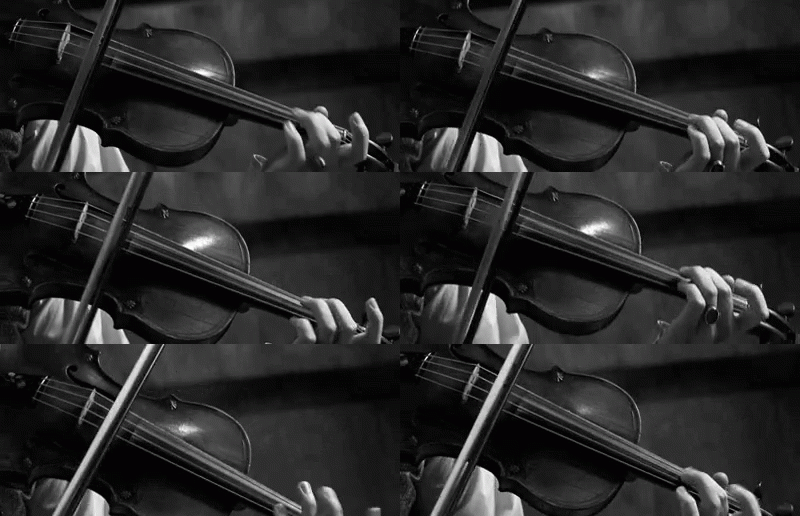
Other features of music can also affect the atmosphere that is created. Often, horror scores are composed in a minor key to create a more negative, unsettling atmosphere. Isolating a single instrument is common convention, and can create a sense of vulnerability. Jumpscares can be exaggerated with the use of short, sharp notes following a series of longer ones, or by swift transitions of pitch, dynamics, etc.
It could be argued, in fact, that sound is more effective in creating fear than images are. Our brains register noises long before images, and therefore some may suggest that music and noises are the initial, and most frightening, sources of a scare.

No comments:
Post a Comment